

My Double Degree Journey in France and Germany: From Application to Scholarship Success
- October 24, 2025
- RAKSA
- 1:04 am
Discover my personal experience applying for a double degree program between France and Germany. Learn step-by-step tips on admission, the visa process, and how to prepare for studying in both countries.
I’ll share my personal experience applying for a double degree program in France and Germany. Please note that the administrative process and admission criteria may vary slightly each year and depend on nationality. I’ll also include official university and embassy websites, as well as direct links to related sources mentioned below, where you can find the most up-to-date information.
Admission to Study in France
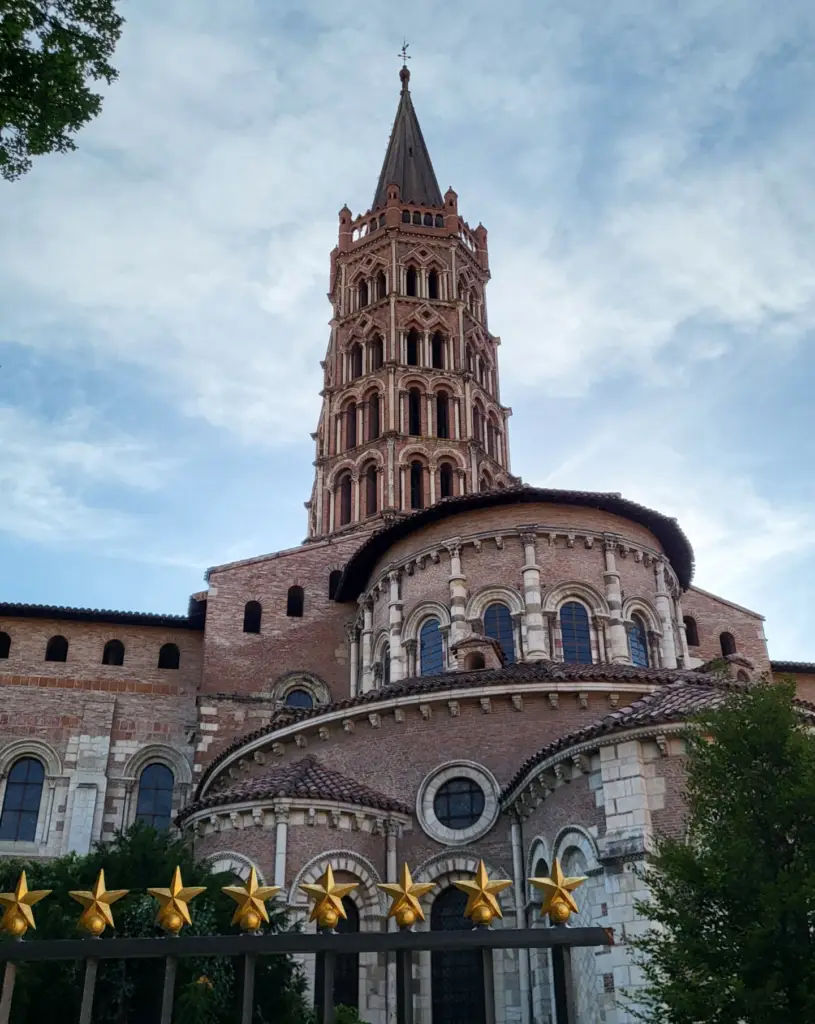
Getting admitted to study in France is not easy. It’s very competitive, with students from all over the world applying. To make your profile stand out, you’ll need time, preparation, and dedication. And if you don’t get accepted on your first try, don’t give up! It’s absolutely worth the effort. I got admission to study Master of Science in International Marketing of Innovation at Toulouse School of Management (TSM) and Master of Science in Business Administration – Digital Customer Experience & Service Design (DICE) at Katholische Universität Eichstätt-Ingolstadt (KU). This double degree program has four semesters in total:
- 1st semester: France
- 2nd & 3rd semesters: Germany
- 4th semester: Internship and Master’s thesis
Since I enrolled through a French university, France is my home university, which means I can do my internship anywhere. I chose to complete mine in France. However, for students enrolled through KU in Germany, the internship must take place in a French-speaking country.
Application and Admission Process
I applied to the French master’s program through the Études en France platform. Here’s what I did:
- Created an account, filled out my personal information, and submitted my academic files on the Études en France platform.
- Searched for the program and applied to the master’s I was interested in. I reviewed the admission requirements carefully, as some universities may have additional requirements. I recommend checking each university’s website directly.
- Submitted all required documents on both the Études en France platform and the university website.
- Received an invitation for an interview with the Campus France Office in Phnom Penh.
- Waited for the result — and I was thrilled to find out that I had been admitted to Université Toulouse Capitole! Once my application was successful, the university sent me an email, and I was able to download the “Confirmation of Acceptance / Pre-enrollment – Études en France” certificate on the platform.


Scholarship Opportunities
If you wish to apply for a fully funded scholarship to study in France, consider the Bourse Excellence Eiffel and Bourse Excellence France programs. Note that Bourse Excellence France requires a separate application process, and Bourse Excellence Eiffel requires a different process. Since my master’s program includes one year in Germany, I didn’t meet the criteria for these scholarships. However, if your program is fully based in France, I highly recommend applying for them.
🔗 Learn more about scholarships below:
I’m so glad to be part of the Franco-German University (DFH/UFA)! Being enrolled as both a French and German student allowed me to apply for several scholarships available to students from both countries. I’m so grateful for all the scholarships I received! It means a lot to me and has helped me complete my studies in both countries.
Here are the scholarships I applied for (and Got!):
- Erasmus+: €360/month (€1,080 per semester)
- Franco-German University (DFH/UFA): €350/month
- DAAD-STIBET: €450/month
- Starter-Kit Bayern-France Scholarship: €750 (one-time)
- Regional Aid for International Mobility (Occitanie Region): €1,200 (for two semesters; €600 per mobility period)
Remarks:
- Each scholarship has different eligibility criteria and funding durations. I recommend reading the details carefully and contacting the person in charge for clarification.
- I applied for these scholarships during my first semester in France, and the funding began in the second semester.
Applying for a French Student Visa
Here is the process I followed to apply for my French student visa:
- Completed the visa application via France-Visas
- Booked an appointment with the French Embassy in Cambodia
- Prepared all required documents before my appointment
- Payed the visa fee as instructed during the application process
💡Additional Tip: Prepare Your Birth Certificate Early
- Get it officially translated into French by a recognized translator.
- Have it stamped by the French embassy.
- You’ll need this document for several administrative steps once you arrive in France.
What I Did When I Arrived in France?
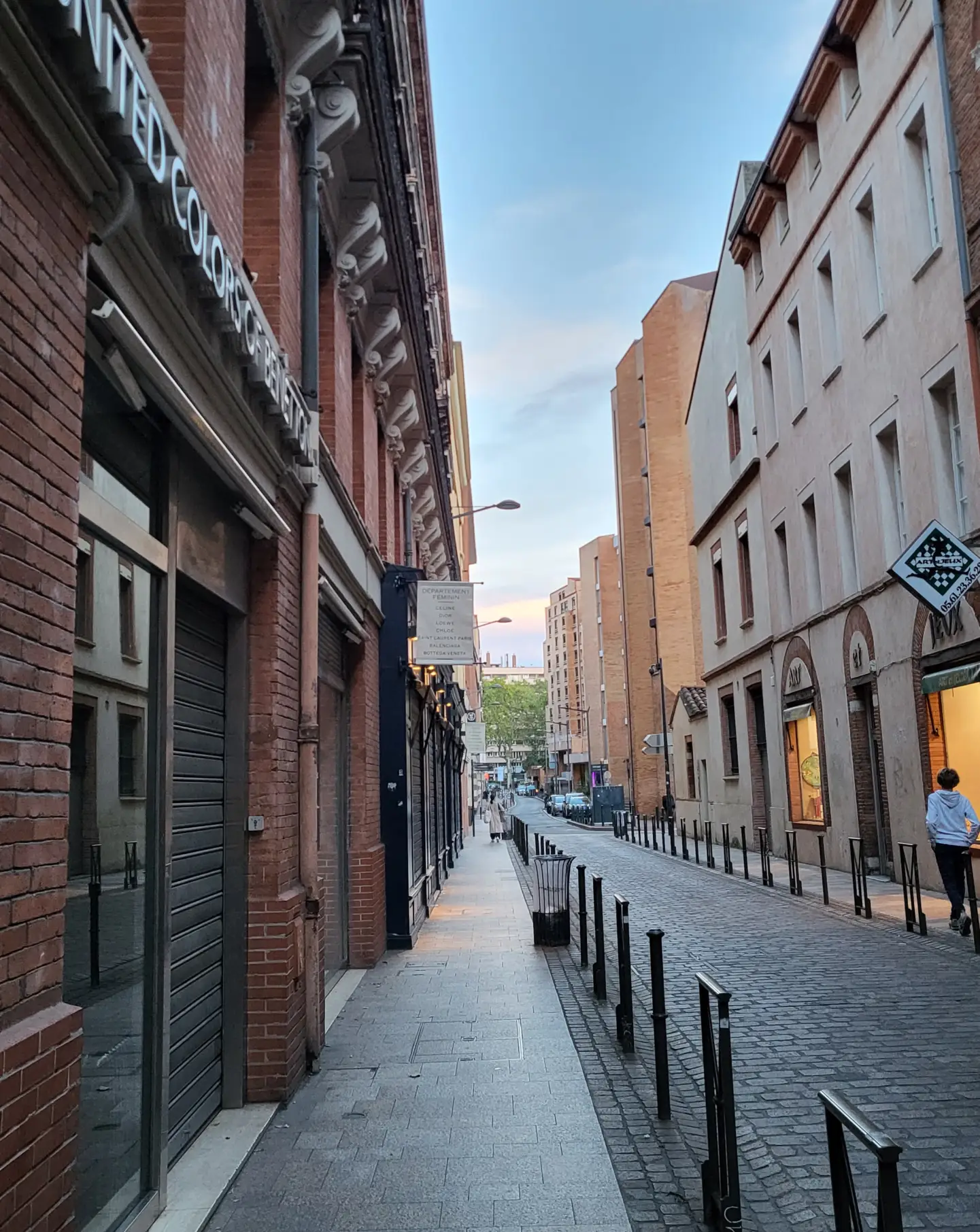
When I first arrived in France, there were several important things I needed to take care of to settle in smoothly. I went straight from the airport to my apartment to sign the rental contract. (I would like to express my sincere gratitude to everyone who helped me during my time in France; without their support, I would have struggled much more than I could have ever imagined.)
After settling in, I started by buying a French SIM card to contact my family. Then, I opened a bank account, which is required for almost everything in France. Next, I validated my visa through the official platform and applied for CAF housing assistance (apply here) to help cover part of my rent. I also purchased a monthly public transportation pass using my student ID to get a discount. Finally, I created my social security account (visit site) and bought housing insurance, both of which are essential for students living in France.
💡 Tip: After receiving your Carte Vitale, I highly recommend applying for the European Health Insurance Card (Carte Européenne d’Assurance Maladie – CEAM) through Ameli. You’ll need it later for your university enrollment in Germany.
What I Did When I Arrived in Germany?
When I arrived in Germany, I first signed my housing contract and moved into my student dorm. After settling in, I booked an appointment at the city hall (Bürgeramt) to register my stay. This step is mandatory for all residents, including international students.
Then, I bought the Deutschlandticket (Germany Ticket), a monthly travel pass costing €58 per month (or €38 for students). It allows unlimited use of regional trains, buses, trams, and subways across Germany. You can purchase it easily through your local public transport app or website (for example, Deutsche Bahn or your city’s transport provider). I bought mine through VGI.
Next, I emailed my landlord to request the Wohnungsgeberbestätigung (landlord confirmation letter), which is required for registration. This document proves your official address in Germany. I then went to city hall with my passport, French student visa, REST Directive document, and landlord confirmation letter.
Applying for the REST Directive (for Germany)
As a non-EU student in a double degree program, I had to complete several administrative procedures. Thankfully, both universities supported me throughout the process.
To study in Germany for up to 360 days, I applied for the REST Directive, a mobility scheme that allows non-EU students enrolled in an EU program to study in another EU country without applying for a new visa. If you plan to stay longer than 360 days, you’ll need to apply for a German residence permit.
- Learn more: REST Directive Information
💡My tip: Contact the International Office of your German university early. They can guide you step-by-step through the REST application process. Alternatively, you can apply for a German student visa directly at the German Embassy in France, but book your appointment at least three months in advance to avoid delays.
Applying for a double degree in France and Germany was a challenging but incredibly rewarding experience. It required careful planning, patience, and strong support from both universities.
Good luck with your application!