My Experience Finding Accommodation in France (and What I Wish I Knew Before!)

Finding accommodation in France was honestly one of the hardest parts of my journey as an international student. When I was still in Cambodia, I spent countless days scrolling through housing websites, emailing landlords, and trying to figure out which offers were real and which were scams. It was overwhelming ! I didn’t know the neighborhoods, the French rental rules, or even which platforms were reliable.

I remember feeling lost because everything was so different from what I was used to back home. The apartments looked beautiful online, but I had no idea whether they were in safe areas or not. And of course, dealing with all of this from another time zone made communication even trickier. I would often wait a full day for a reply that sometimes never came.

Luckily, I wasn’t completely alone. I got in touch with a few Cambodian students who were already living in France, and they were incredibly kind and helpful. They shared their own experiences, sent me contact details for trustworthy landlords, and recommended websites they had personally used. Without their advice, I think I would’ve been completely lost in the French housing jungle!

So, if you’re planning to study in France (especially in Toulouse, where I studied), I hope this little guide will make your search easier and help you settle in smoothly once you arrive. I know how stressful it can feel at first. But trust me, once you find your cozy little corner in France, all the effort will be worth it!

Best Online Platforms for Student Housing

When I first started looking, I had no idea where to go. Luckily, I discovered a few great websites that list student apartments, shared flats, and private rentals. Here are the ones I personally found most helpful:

  • ADELE – The leading online platform in France focused on student housing.
  • URHAJ Occitanie – (Where I lived) A regional network that helps young people and students find affordable housing.
  • Oh Mon Appart – Student residences.
  • Altéal – Student residences.
  • Kley – Offers stylish student residences with great facilities like study areas, gyms, and social spaces.
  • Studapart – Connects students directly with landlords and offers verified listings.
  • SeLoger – One of France’s largest real estate websites, featuring both furnished and unfurnished apartments. Be cautious about scams and always verify listings.
  • Le Bon Coin – France’s go-to site for everything from furniture to apartment rentals. Again, verify listings carefully to avoid scams.
  • ESN Toulouse – Instagram account posts about student life, events, and sometimes housing offers.
  • CROUS – Like many international students, I first thought I could stay in a CROUS student residence. But here’s something important to know: CROUS housing is very limited for international students. Most spots go to Erasmus students, second-year master’s students, or PhD candidates. You can still try applying through your university’s international relations office or Campus France (especially if you have a scholarship), but it’s best not to rely on CROUS alone. Start exploring private housing options early — trust me, it will save you a lot of stress later!

Helpful Services for International Students in Toulouse

Finding student housing in Toulouse can be challenging, but these services make the process much easier. Whether you need help finding apartments, student residences, or financial aid, these resources are essential for international students.

  • Toul’Box – A paid service that helps you with everything from booking housing to settling in before arrival.
  • Welcome Desk Toulouse – A super useful place (both online and in person) to get help with paperwork, housing and daily life questions.
  • Lokaviz – A CROUS-managed platform featuring verified housing ads from private landlords.
  • Campus France – Offers support for scholarship students.
  • Action Logement – Offers financial aid for young workers and students.
  • CAF (Caisse d’Allocations Familiales) – Offers housing benefits (APL) to reduce monthly rent for students living in France.
  • Info Jeune Occitanie – Lists housing offers and useful tips for students in the region.
  • University website : Most French universities provide dedicated student housing guides, trusted residence partners, or direct access to local housing platforms. For example, my university guide is here

Moving In

When I finally found my apartment in Toulouse, I felt both excited and nervous — it was the first time I was renting a place in a completely new country! There were so many small details I didn’t know at first, but step by step, I learned how the moving-in process in France works. Here’s what I did and what I recommend every student should keep in mind:

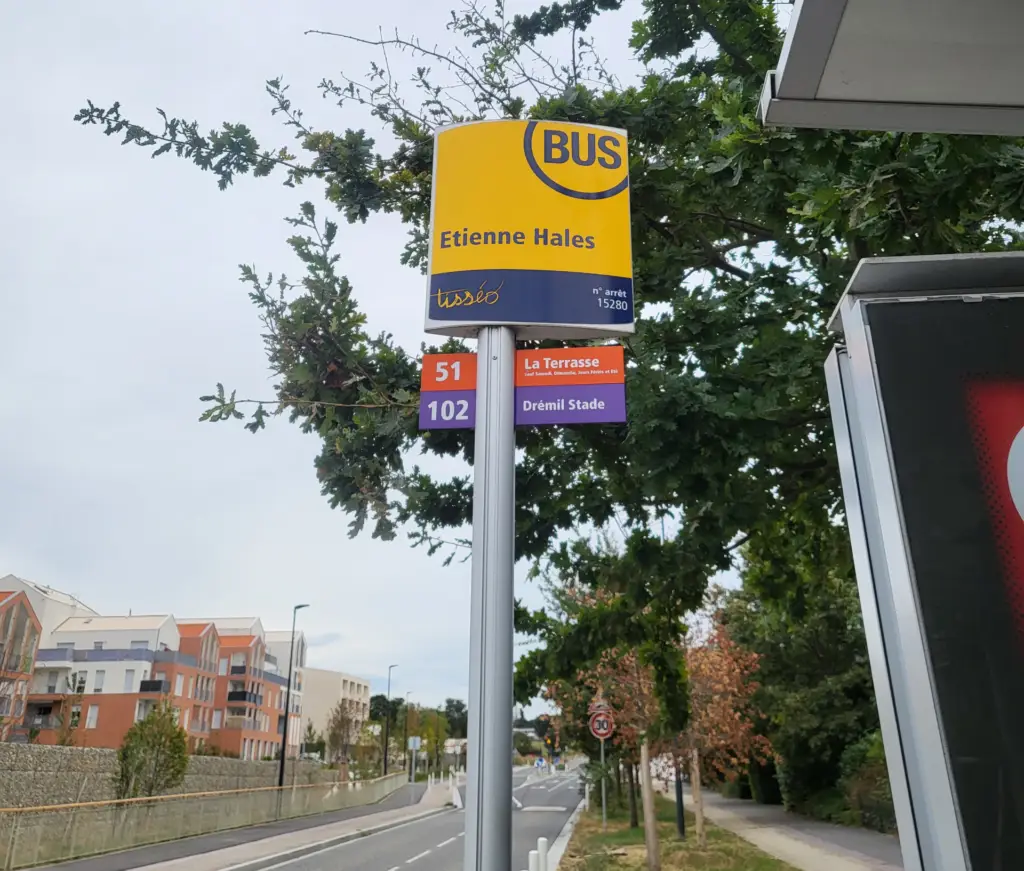
Bus stop

Sign the lease (the rental contract): Before anything else, make sure you read your lease (contrat de location) very carefully. This document includes all the important details — the rent amount, payment terms, length of stay, and the responsibilities of both you and the landlord. If something seems unclear or written only in French legal terms, don’t hesitate to ask a French-speaking friend or your university’s international office to help you translate it.

💡Tip: In France, most student rentals are for one year and renew automatically, but always double-check if there are specific clauses about leaving early or rent increases.

Inspect the apartment carefully: On the day you move in, you’ll do what’s called an état des lieux d’entrée — basically an official walkthrough of the apartment with the landlord or the agency. This step is super important! You’ll go through each room and note the condition of the furniture, walls, floors, and appliances.

💡Tip: Take plenty of photos and videos before moving your belongings in — they’ll be useful when you move out to make sure you get your deposit back.

Get home insurance: In France, home insurance (assurance habitation) is mandatory before you can receive your keys. Many French banks and insurance companies offer student plans that cost between €30 and €110 per year, depending on the coverage. ( I bought with a bank where I created my bank account.) This insurance protects you from damage caused by fire, water leaks, or accidents.

Apply for CAF housing aid: One of the best surprises about living in France is that students (including international students) can apply for housing benefits through the CAF (Caisse d’Allocations Familiales). This financial aid is called APL (Aide Personnalisée au Logement), and it can significantly reduce your monthly rent — sometimes by €100 or more. You can apply directly on CAF’s website, but be prepared to upload a few documents, such as your passport, residence permit, rental contract, and your French bank account details (RIB).

💡 Note: Not all residences allow you to apply, so before renting, make sure you do a simulation on CAF’s website to see how much approximately CAF pays you and read carefully the updated information on CAF before applying.


Close-up of hand writing in notebook using a blue pen, focus on creativity.

Guarantor

In France, for private individual or shared accommodation, you are generally required to have a guarantor. A guarantor is someone who agrees to pay your rent if you can’t. Many landlords ask for one, which can be tricky for international students. Luckily, there are online solutions:

  • Visale – A free French government guarantee (available to students under 30).
  • GarantMe  – Paid private alternatives if Visale isn’t an option.
  • Or, if you have a family member or friends in France, you can ask them to be your guarantor.
coins, currency, money, finance, wealth, cash, deposit, profit, savings

Payment and deposit

Here’s what I learned about paying for accommodation in France: You usually need to pay

  • 1 month’s rent as a security deposit (it depends on your contract).
  • First month’s rent upfront
  • If you rent through an agency, expect agency fees too.

You’ll get your deposit back when you move out, as long as you leave the place in good condition. (So take pictures or videos when you move in — I did, and it saved me trouble later!)

Moving out

Leaving your apartment in France might seem simple, but there are a few important steps to make sure everything goes smoothly — and that you get your deposit back without any hassle. Here’s what I learned from my own experience:

Give notice to your landlord: French law requires tenants to inform their landlord in advance when they plan to leave. The notice period is usually 1 month for student rentals in cities like Toulouse, but it can be up to 3 months for standard leases, depending on your contract. Make sure to send your notice in writing (email or registered letter) and keep a copy for your records. This is the first step to avoid any misunderstandings or extra charges.

Inform CAF and your housing insurance: If you were receiving housing benefits (APL) through CAF, don’t forget to notify them about your move. Otherwise, you could continue receiving payments for a place you no longer occupy, and you would have to reimburse them after. Similarly, contact your home insurance provider to cancel or update your policy. Doing this early prevents unnecessary charges and ensures your insurance coverage ends correctly.

Conduct a final inspection with your landlord: The état des lieux de sortie is the official check-out inspection, usually done with the landlord or agency. Walk through every room together, noting the condition of walls, floors, furniture, and appliances. It’s a good idea to bring the photos or videos you took when you moved in — this helps prove the apartment hasn’t been damaged during your stay. Any disagreements at this stage can delay the return of your deposit, so stay organized and polite.

Get your deposit refunded: If everything is in order, your landlord should return your security deposit within 1–2 months. Sometimes it can take a bit longer, especially if there are minor repairs or administrative delays, so be patient but follow up if necessary. Keep a copy of the final inspection report and your lease termination letter — they are your proof in case of disputes.

💡 Extra tip: Try to schedule your move-out at a convenient time for both you and the landlord. Leaving the apartment clean, tidy, and well-documented makes the process much smoother and ensures you get your full deposit back.

Good luck with your apartment searching in France!

Scroll to Top